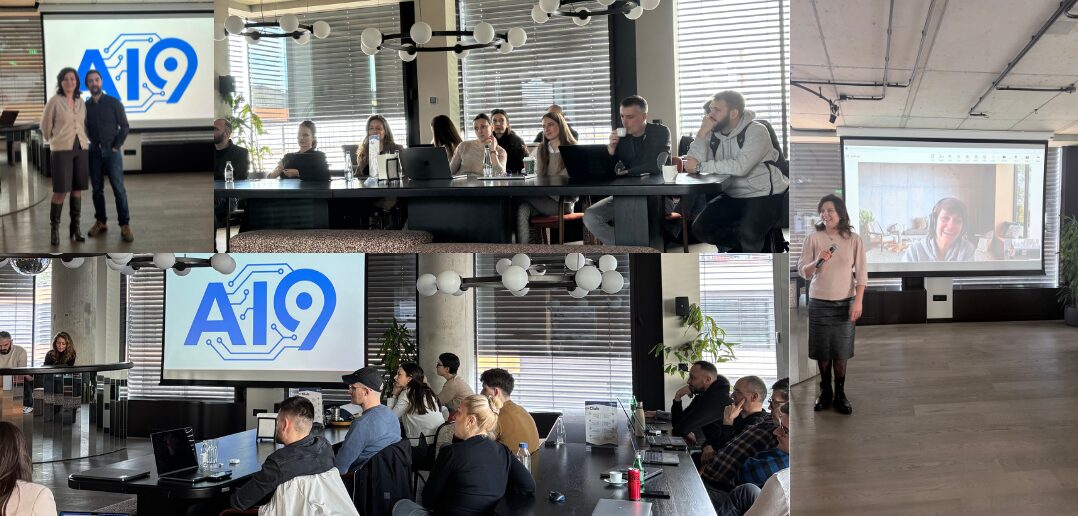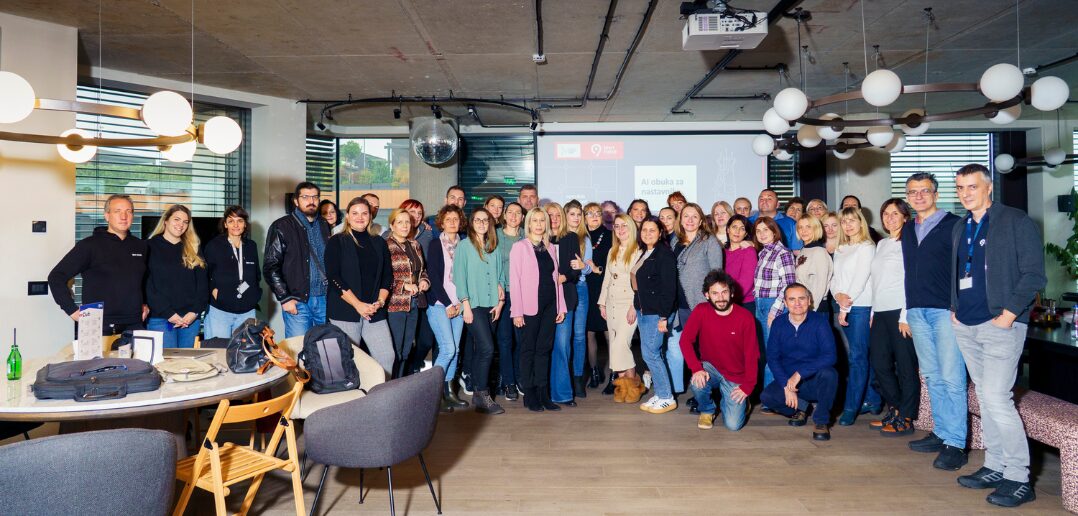
Levi9 hosted the training “Understanding AI: From Basics to Application Possibilities”, which brought together 44 teachers from secondary vocational schools and high schools across Serbia. We organized the training in collaboration with the Digital Serbia Initiative and the German-Serbian Initiative for Sustainable Growth and Employment.
Our long-standing collaboration with the Digital Serbia Initiative brings various opportunities to give back to the community the knowledge and experience that our experts develop daily at Levi9. Through such educational programs, we strive to support the digitalization of education and help teachers prepare young generations for the challenges of the digital society.

Practical Approach to Learning About AI Technologies
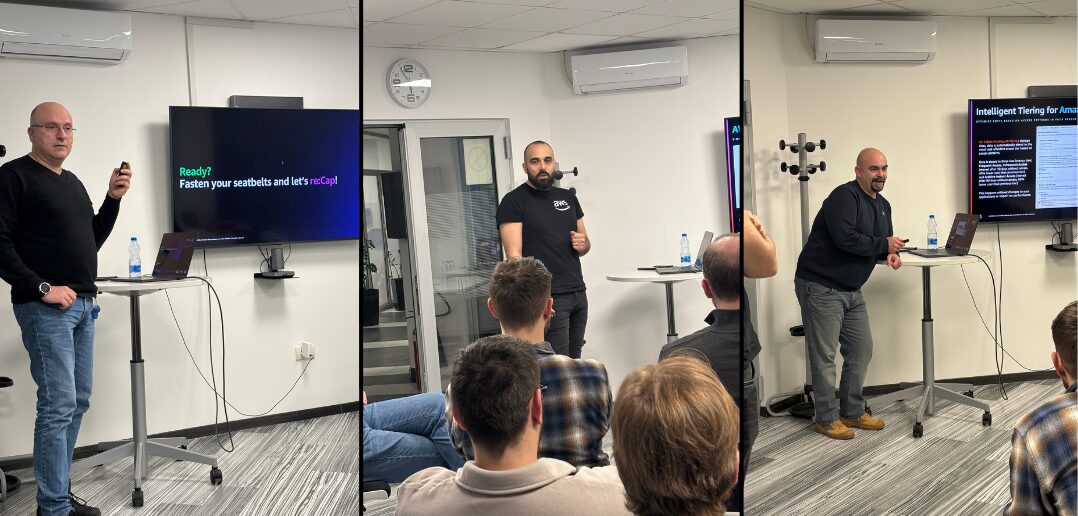
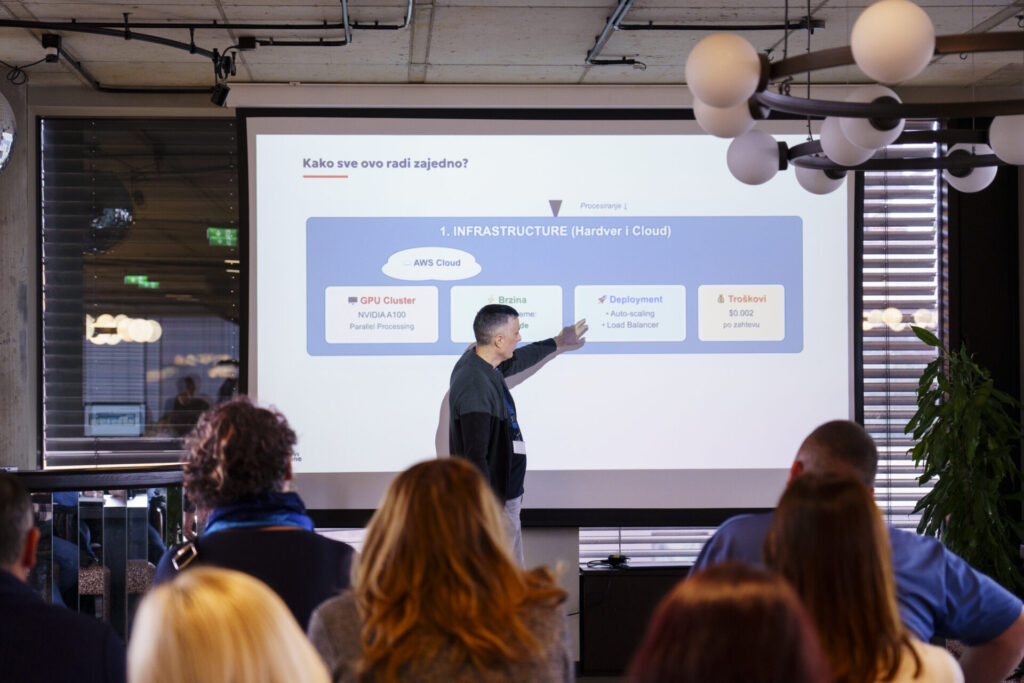
Our training was led by Dušan Nikolić, Java Software Architect at Levi9, with the support of Slađana Tufegdžić and Branislav Zelenak, Technical Team Leads. The goal was to introduce teachers from various backgrounds – from Serbian language, geography, and history to technical subjects and computer science – to basic and advanced concepts related to artificial intelligence in an accessible way.
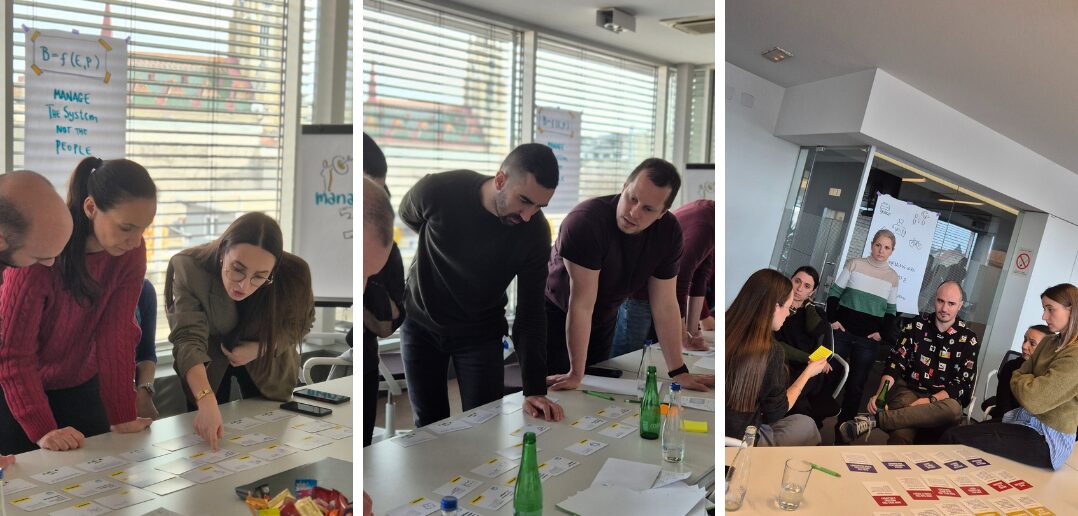
During the four-hour workshop, teachers were theoretically introduced to how AI models are created and trained, and then worked hands-on at their computers. Through an exercise on the Teachable Machine platform, participants trained their own models for image classification – in this case, recognizing whether a photo shows a flower or a leaf.
As Dušan Nikolić shared: “The presentation for teachers was very well attended, and the feedback they shared at the end of the event was extremely positive. Since the teachers came from different backgrounds, we made sure to introduce them to both basic and advanced concepts related to artificial intelligence. We covered many current AI topics and tried to make them accessible and explain them in an easy-to-understand way through examples. I think we succeeded.”
Contributing to Education
Through this training, we wanted to provide teachers with practical tools and knowledge for applying AI technologies in teaching, enabling them to adapt the educational process to modern trends. We enabled them to understand the principles of how artificial intelligence works, and to recognize specific possibilities for its application in different subjects and areas of learning.
Among the training participants were teachers from the Computer Science High School, Stanka Matković and Duša Vuković, who gained new insights through this practical work that will directly contribute to a more interactive approach to teaching. The training was also an excellent opportunity for colleagues from different schools to exchange experiences, further enriching the educational community.
We believe that the knowledge gained during this workshop will help teachers inspire their students and prepare them for a digital society in which AI will play an increasingly important role.
In this article: